The Parent House of the Al Mahdi Dynasty
KINGDOM OF PEACEKEEPERS
A house of faith, peace, heritage, service, and unity — for all peoples, in all places.
Rooted in Omdurman · Nubia — Raised in the Americas
By the Hand of the Founder
The Royal Proclamation
Peace Is Kept by Those Who Show Up
Let it be known: the Kingdom of PeaceKeepers is a house raised on one foundation — that peace is not found, it is kept, by people who show up for one another. We keep the peace in our homes, on our streets, and in our neighborhoods. We train our hands to heal, our voices to calm, and our doors to stay open.
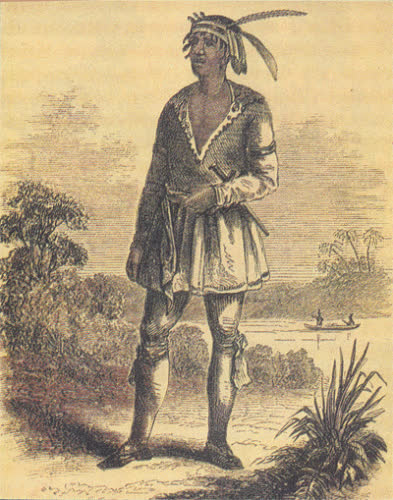
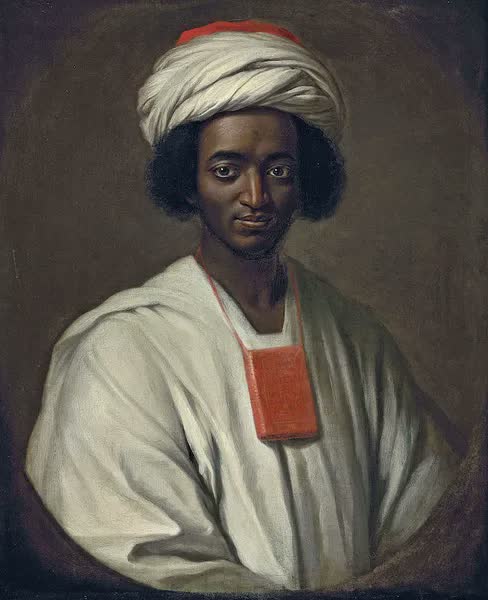
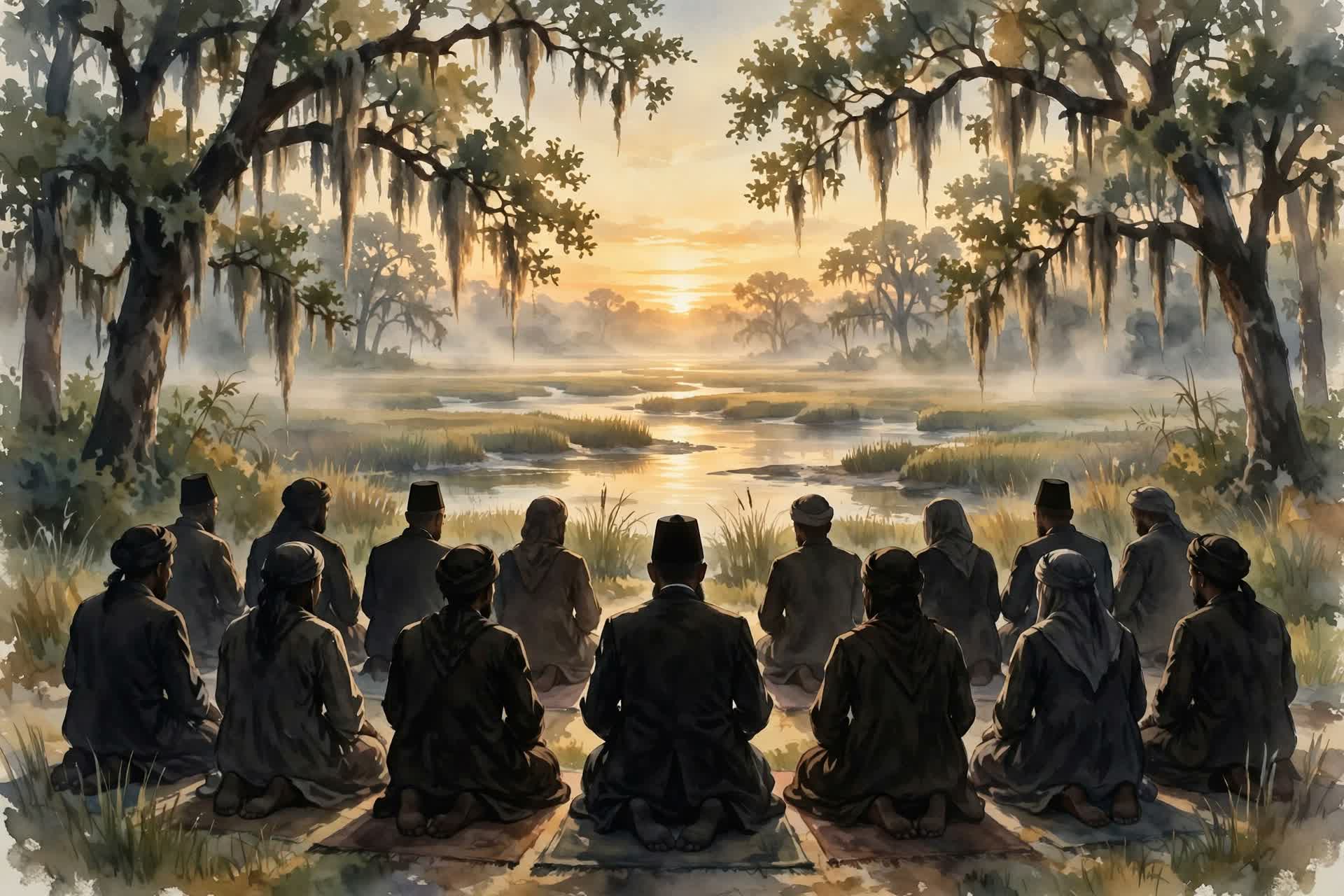
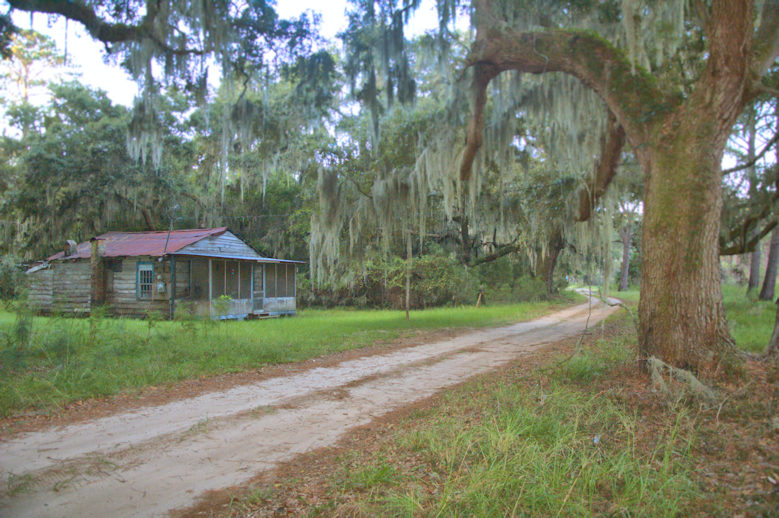
Whoever comes in peace is received in peace. Whoever serves is honored. The First Peoples of this land are honored first, for the house stands on their ground. This Kingdom is rooted out of Sudan, in Omdurman, Nubia, and was raised in the Americas by our ancestors, who mixed with the Indigenous Kingdoms of the Americas. It is not rooted in Roxbury, in Boston, or in any single city of this shore, and its purpose is not limited by any one ground. It was built and stood on its own foundation before the Founder's visit to the United Nations, and it follows the United Nations Declaration on the Rights of Indigenous Peoples — UNDRIP. Its welcome reaches every people and every nation under heaven.
The Proclamation stands in the Founder's voice; its final wording is set by his hand.

What the House Stands On
The Four Pillars
Peacekeeping
We keep the peace where we live — in the home, on the block, and between neighbors. Calm is a discipline, and we practice it daily.
Service
We serve before we are served. Food, shelter, training, and a steady hand in a crisis — the Kingdom measures itself by what it gives.
Health & Healing
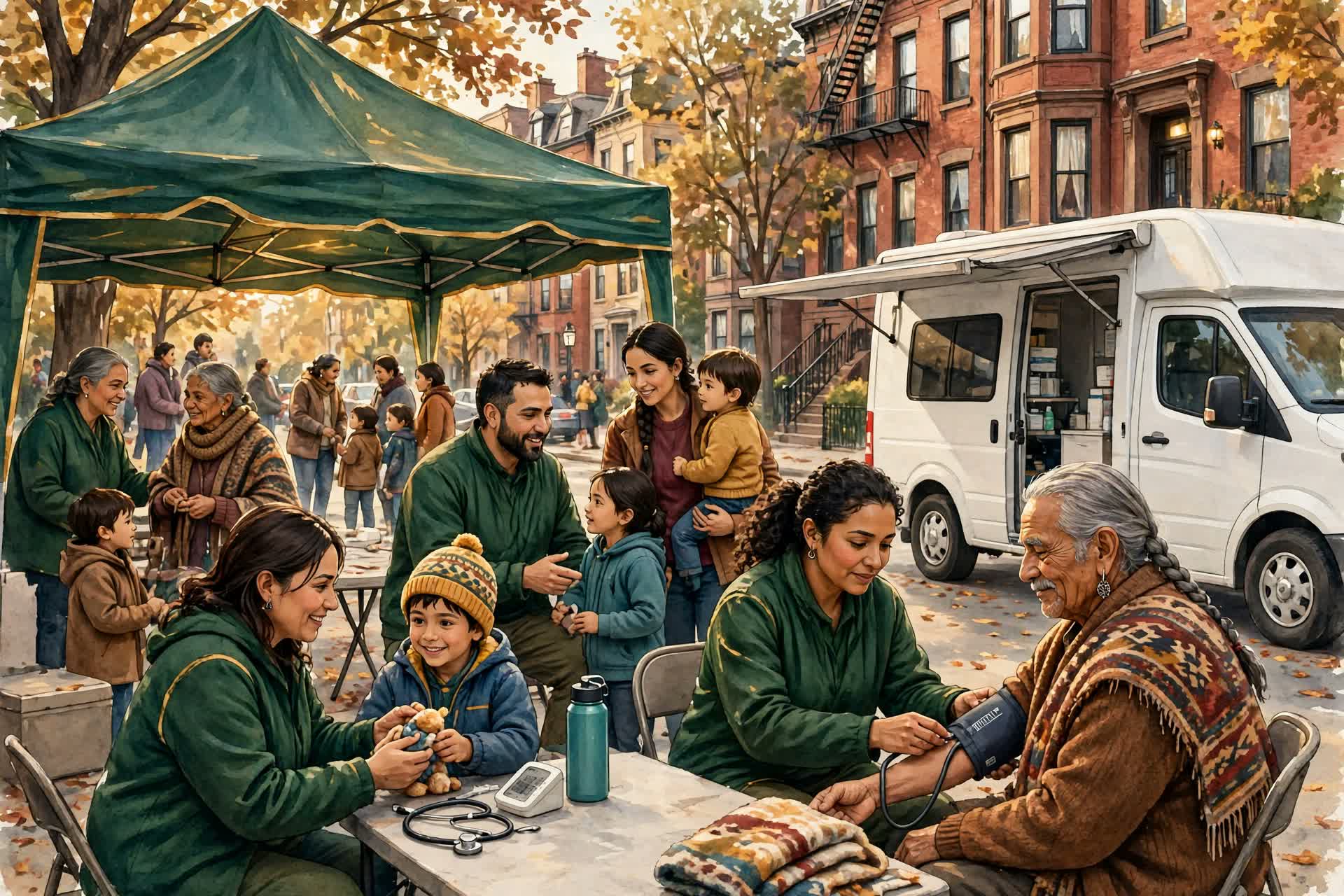
Through Kingdom Workforce Development, we train community health workers who carry care into their own communities — wherever they are called to serve.
Honor & Heritage
We honor the First Peoples of this land, the elders who raised us, and the houses that carry our name. Memory is a duty.
Under One Standard
The Eighteen Houses
The Kingdom of PeaceKeepers is the parent house over the ventures of the Founder and his family — eighteen houses, each with its own work, all under one standard of peace and service.
Al Mahdi Dynasty
The founding family house and trust
Kingdom of PeaceKeepers
The parent house over all the ventures
Kingdom Workforce Development
Community health worker training & workforce
Al Mahdi Shrine
Devotion and remembrance
Universal Masjid of Allah
The religious branch of the Kingdom
Supreme Grand Ancient Nubia Lodge
The fraternal order
The Gents Fraternity
Brotherhood and conduct
MOER Foundation
Foundation and giving
Nubian Geographic Museum
History and the virtual museum
The Nubian Museum
Nubian heritage and exhibits
Mass Juneteenth Council
Juneteenth remembrance and parade
Notable Roxburian Society
Honoring Roxbury's notable people
Cambridge Croquet Club
Sport and fellowship
Nubian Archery Club
Archery and discipline
Nubian Square Florist
Flowers of Nubian Square
AEOS
A venture house of the Kingdom
Seat Sack
A product venture of the Kingdom
Shaykh Ali Music
The Founder's music, on the Al Mahdi Dynasty label
How the House Was Raised
The Eras of the Kingdom
The Root — Omdurman, Nubia
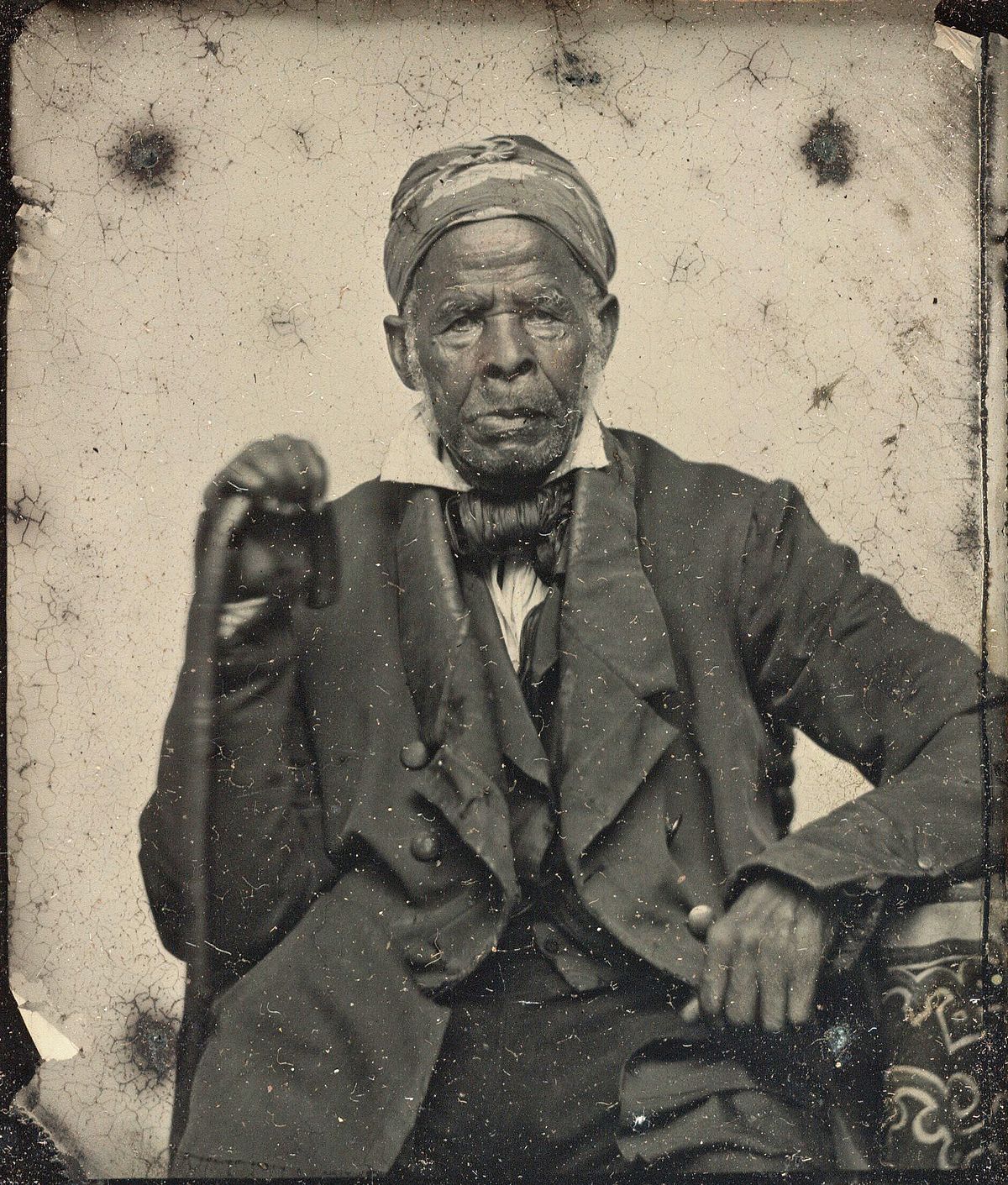
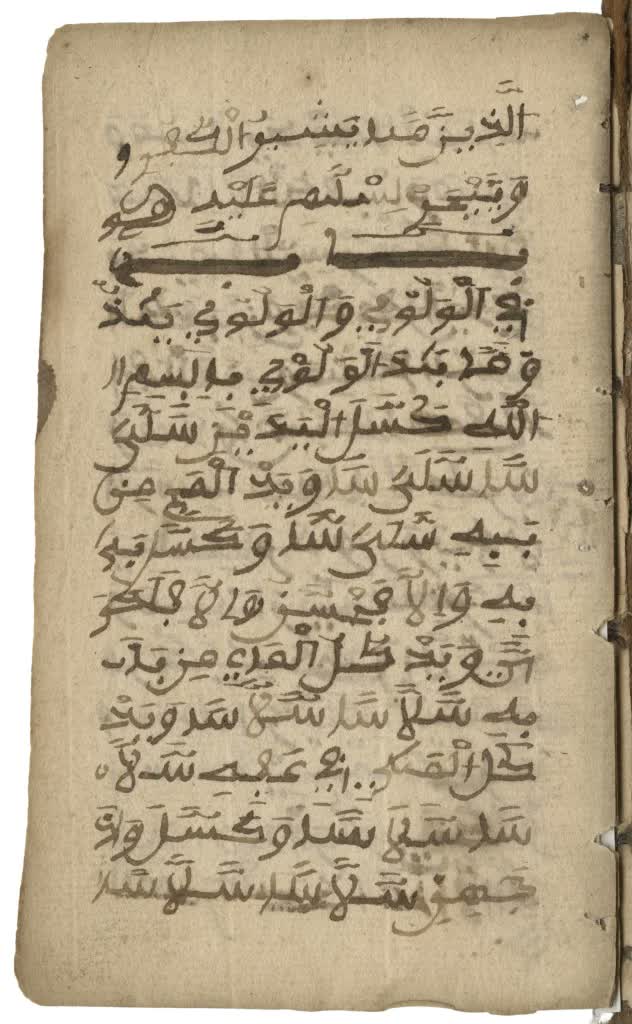
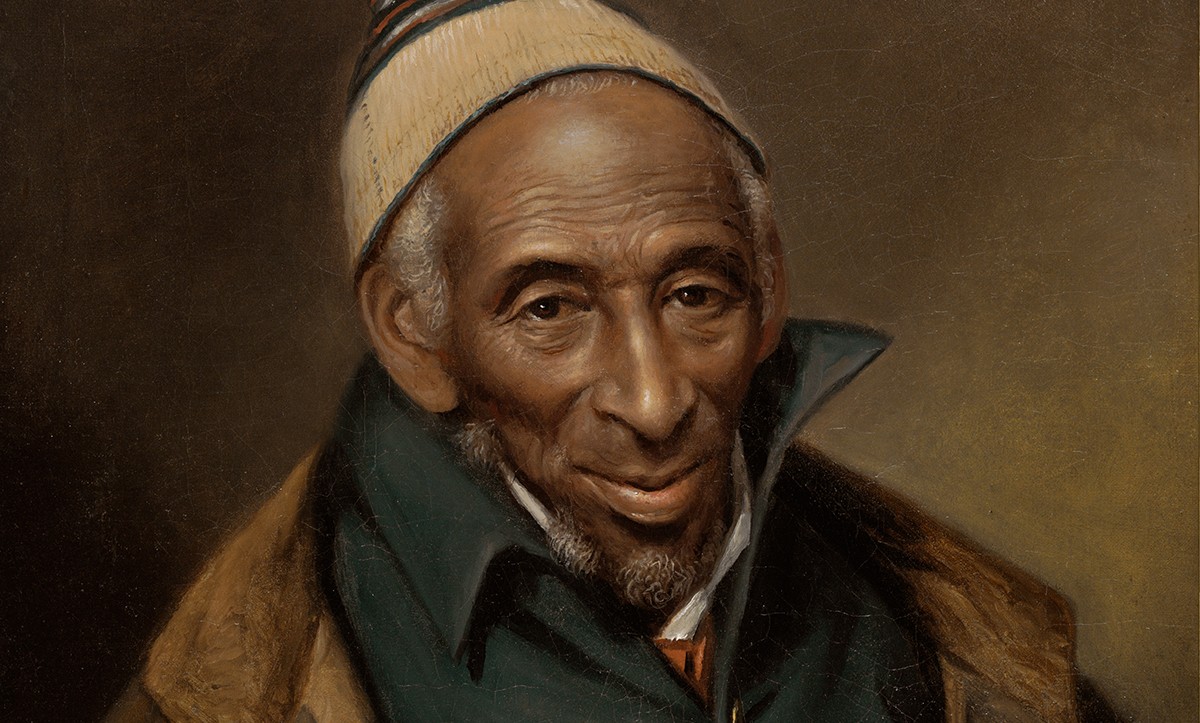
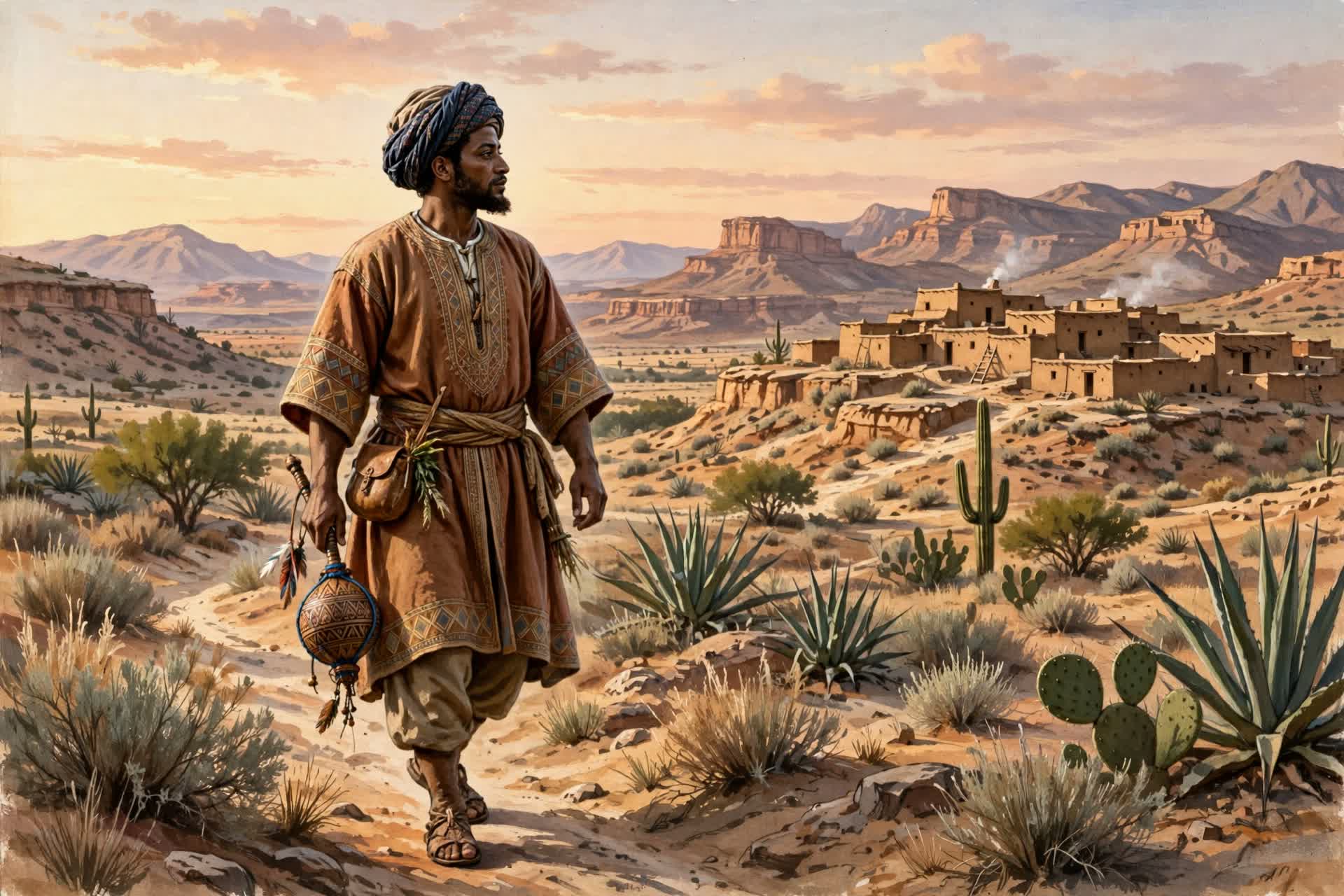
The Kingdom is rooted out of Sudan, in Omdurman, Nubia, where the Al Mahdi name rises. From there the family carried it across the water, and the house was raised in the Americas by our ancestors, who mixed with the Indigenous Kingdoms of the Americas. The root holds everything that grows after it.
The House Takes Form
The Al Mahdi Dynasty Family Trust is established in 2017, with the Founder as trustee. In 2018 CHW Workforce Development incorporates in Massachusetts — one house's work in one place, not the root or the limit of the Kingdom.
Built Before the Visit
The Kingdom of PeaceKeepers was built and stood on its own foundation before the Founder's visit to the United Nations. It follows UNDRIP — the United Nations Declaration on the Rights of Indigenous Peoples — as a standard it honors, not as the source from which it began.
The Raising of the Houses
The workforce training begins in earnest, the ventures multiply into eighteen houses, and the Kingdom of PeaceKeepers is raised as parent over them all — its work open to chapters and peoples in any place.
The Door Stands Open
Now the Kingdom opens its doors in order: a welcome guide for every guest, a path for every member, and chapters to be raised wherever peacekeepers stand.
The era names are the house's working titles; the Founder confirms the final wording.
Membership & Chapter Development
From Guest to Guardian
No one is born a Guardian. Every member of this house began as a guest at the door — the path below is the way in, walked in order.
Guest
Come as you are. Every visitor is received at the door, fed, and heard. No one who comes in peace is turned away.
Friend of the House
Return, and be known. Learn the ways of the house, sit at its tables, and take the Welcome Guide as your companion.
Member
Take the covenant of the Kingdom: keep the peace, serve the people, honor the houses. Members keep the twelve garments of the house wardrobe.
Guardian
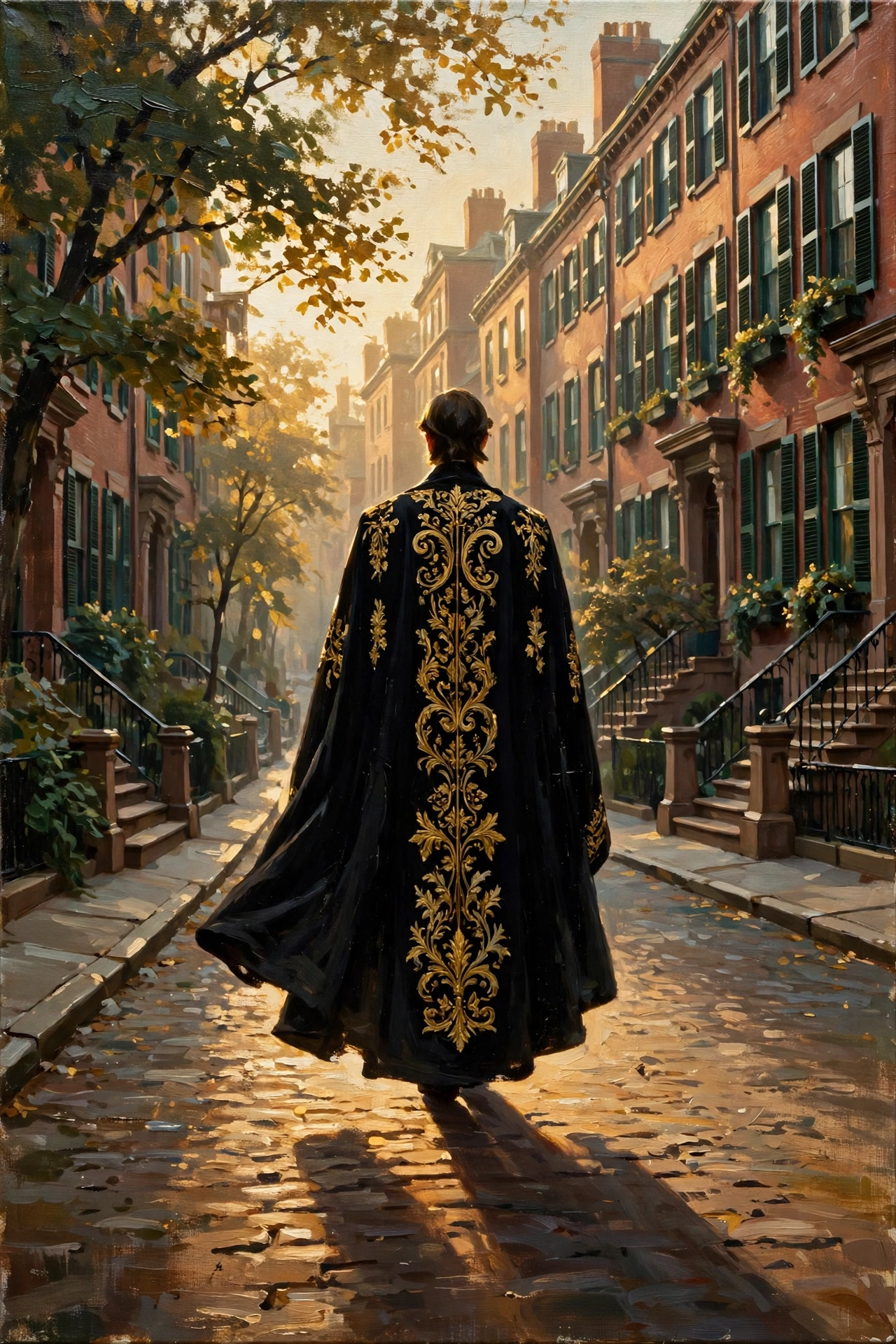
Guardians stand watch over people and place — trained, steady, and accountable. From the Guardians, chapters are raised in new ground, and nobles are named by service. The Royal Cloak is earned, never given lightly.
The Wardrobe of the House
Members keep a wardrobe of twelve garments for the seasons and ceremonies of the house, distinct from the Royal Cloaks earned by nobles. One garment stands apart from all of them: the gold-embroidered bisht of the Imam — his alone, worn by no member.
The Welcome Guide
The first book of the house: who we are, how we keep the peace, and how a guest becomes family. It opens with the root of the house — rooted out of Sudan, in Omdurman, Nubia, and raised in the Americas by our ancestors, who mixed with the Indigenous Kingdoms of the Americas. Within the Kingdom, the workforce house answers to its Kingdom name — Kingdom Workforce Development.
Chapters
Where Guardians gather in number, a chapter is raised under the parent house — same covenant, same standard, new ground. Chapters carry the work of the houses into their own streets.
The steps of the path stand in the house's working order; the Founder sets the final form.
A Diplomatic House
All Peoples Welcome
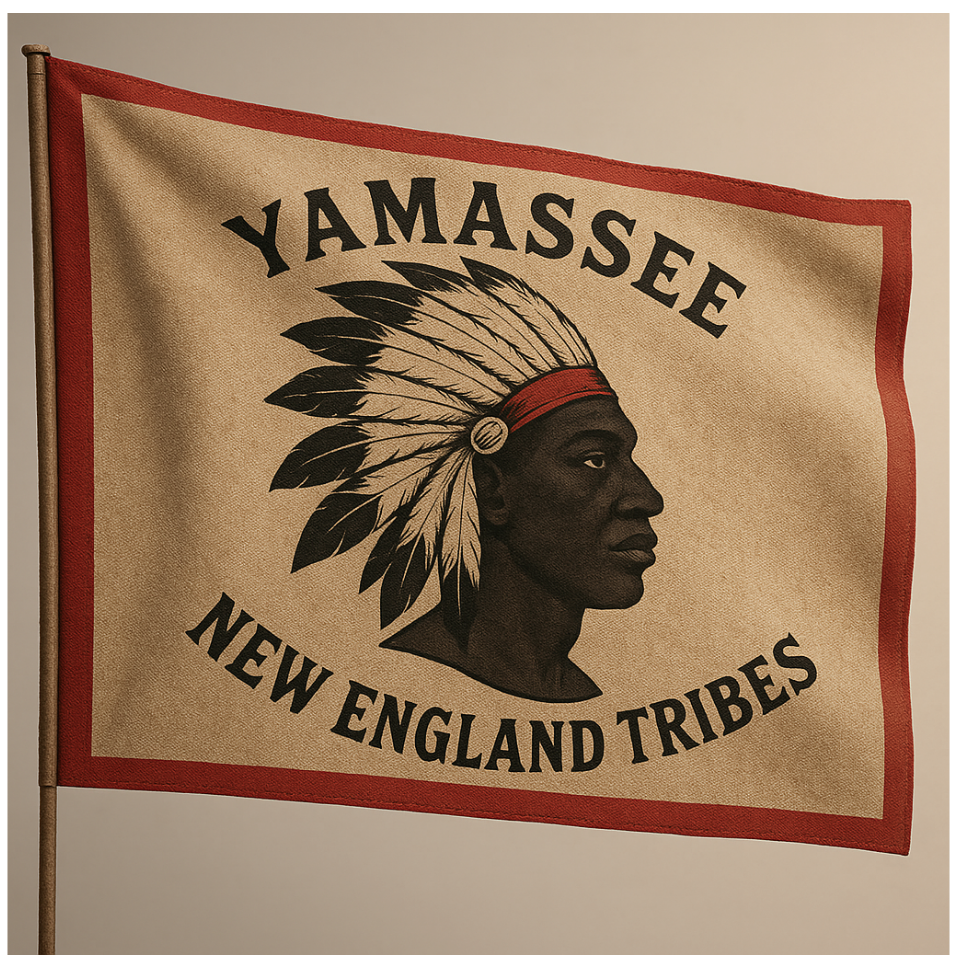
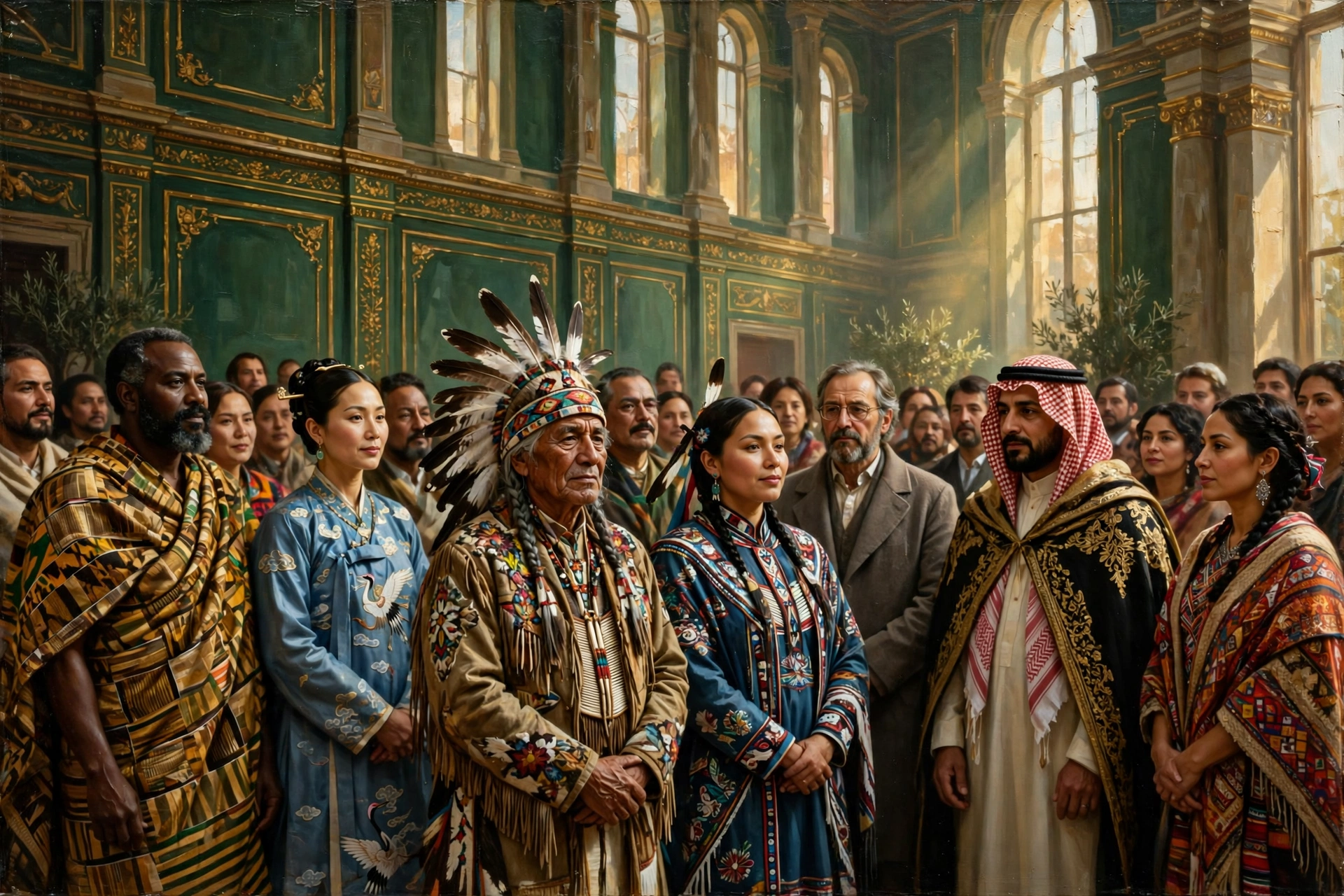
This is a diplomatic house. The flag of the United States stands at the Royal Desk beside the standard of the Kingdom, and every people is received here with the honor due to a nation. The First Peoples of this land lead the row — they were here before the house, and the house remembers.
The Standard the House Stands With
UNDRIP — The Rights of Indigenous Peoples
The United Nations Declaration on the Rights of Indigenous Peoples is the world's standard for the survival, dignity, and well-being of Indigenous peoples. The Kingdom follows UNDRIP — it stands with the Declaration in word, and in how it receives the First Peoples at its door. The Kingdom was built before the Founder's visit to the United Nations; UNDRIP is the standard it follows, not the moment it began.
Self-Determination
Indigenous peoples have the right to self-determination — to freely determine their political status and freely pursue their economic, social, and cultural development.
Lands & Territories
The right to the lands, territories, and resources they have traditionally owned, occupied, or otherwise used — and to own, develop, and control them.
Free, Prior & Informed Consent
No relocation, no dumping of hazardous materials, no taking of land or resources without the free, prior, and informed consent of the peoples concerned. Consent is the standard — before, not after.
Culture & Language
The right to revitalize and transmit histories, languages, and oral traditions; to name and rename places; and to education in their own languages and cultural ways.
IPO — How Indigenous Peoples' Organizations Are Heard
Indigenous Peoples' Organizations — IPOs — carry the voices of their peoples into the councils of the world. The Declaration is heard through standing doors at the United Nations:
- UN Permanent Forum on Indigenous Issues (UNPFII) — the standing body of Indigenous and state experts advising the UN on Indigenous rights and development.
- Expert Mechanism on the Rights of Indigenous Peoples (EMRIP) — the Human Rights Council's experts, giving technical counsel on carrying the Declaration into law and practice.
- Special Rapporteur on the Rights of Indigenous Peoples — the UN's independent examiner, who investigates, reports, and speaks where rights are threatened.
- ECOSOC Consultative Status — the accreditation by which Indigenous organizations take their seats, speak, and submit testimony in UN proceedings.
Care in the Hands of the People
Indigenous Healthcare Providers
Article 24 of the Declaration: Indigenous peoples have the right to their traditional medicines and health practices, and the right to access all social and health services without discrimination. Long before the title existed, Indigenous providers were the original community health workers.
Community Health Representatives
The CHR program begins in the United States — tribal members trained and employed to carry health care into their own communities, home by home.
Redfern Aboriginal Medical Service
Aboriginal community-controlled health care opens in Redfern, Sydney — care governed by the community it serves, the seed of a national movement.
World Health Assembly — Resolution WHA76.16
The World Health Assembly adopts its resolution on the health of Indigenous peoples, calling on nations to build health systems with Indigenous partnership at the center.
Traditional Healers
Keepers of traditional medicines and health practices — the first providers, whose knowledge Article 24 protects by name.
Community-Controlled Care
Clinics governed by the communities they serve — care designed, directed, and delivered by the people themselves.
Community Health Representatives
The original community health workers: neighbors trained to carry care, teaching, and trust across their own nations.
Care Without Discrimination
Article 24's second promise — every Indigenous person holds the same right to the highest attainable standard of health, without discrimination.
Indigenous-Led Health Systems
Indian Health Service & Tribal Self-Governance
Federal health care for American Indians and Alaska Natives — increasingly directed by tribes themselves under self-governance agreements, alongside Tribal Health Programs and Urban Indian Health Programs.
First Nations Health Authority
British Columbia's First Nations Health Authority — the first province-wide health authority governed by First Nations, for First Nations.
ACCHOs
Aboriginal Community Controlled Health Organisations — primary health care initiated, planned, and governed by local Aboriginal communities.
The Same Calling, Continued
The Founder's own house trains community health workers — the same calling the CHR program began — carried forward by neighbors serving their own communities, wherever they live.
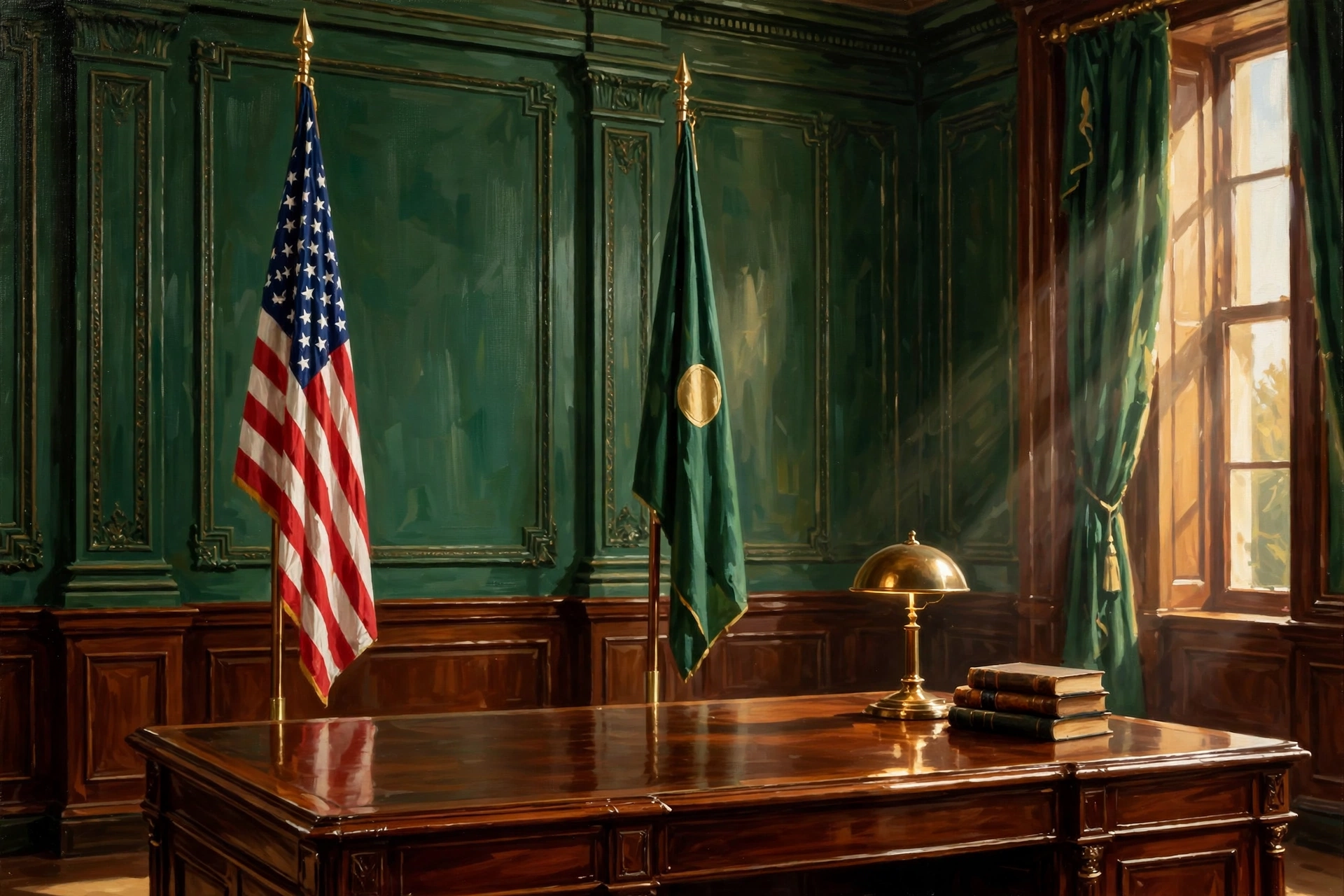
Where Audiences Are Received
The Royal Desk
Two flags stand behind the desk: the flag of the United States of America, and the green standard of the Kingdom with its gold emblem. Diplomacy and house, side by side — that is the order of this room.
From this desk the Founder signs, receives, and keeps the peace: petitions are heard, chapters are recognized, and guests of every nation are seated as honored company.
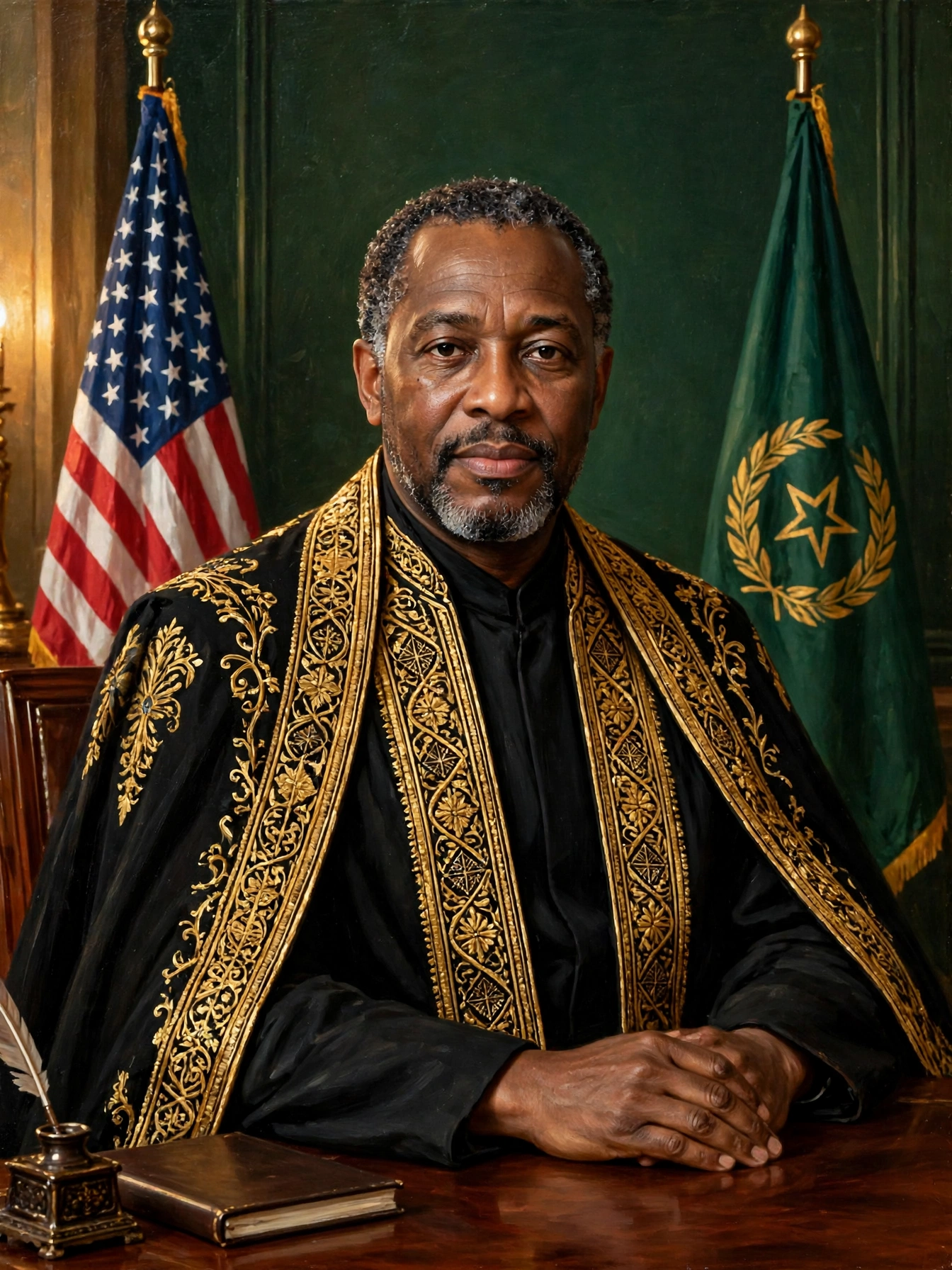
The Door Is Open
Seek an Audience
For membership, chapters, partnerships, or an audience with the Founder — write or call. Every message that comes in peace is answered in peace.
Boston, MA 02114